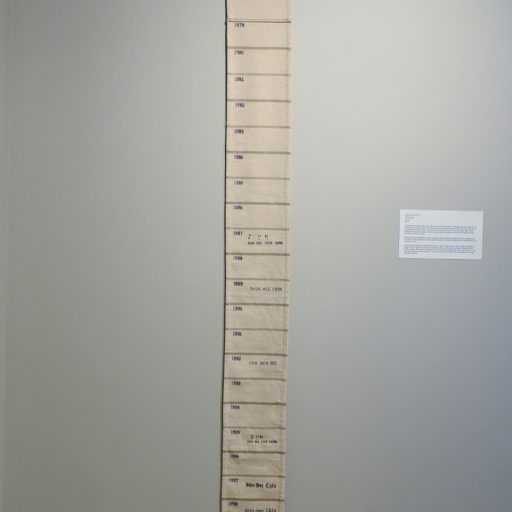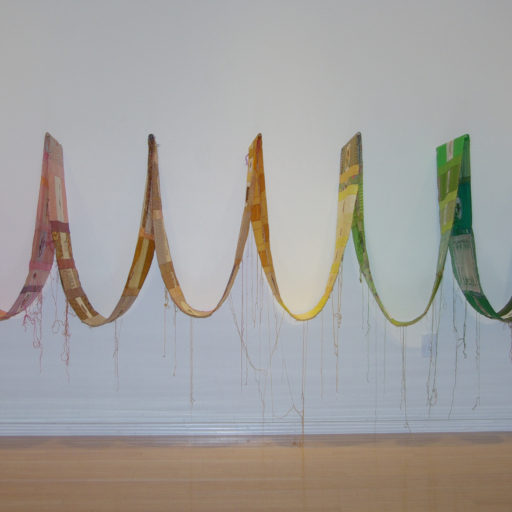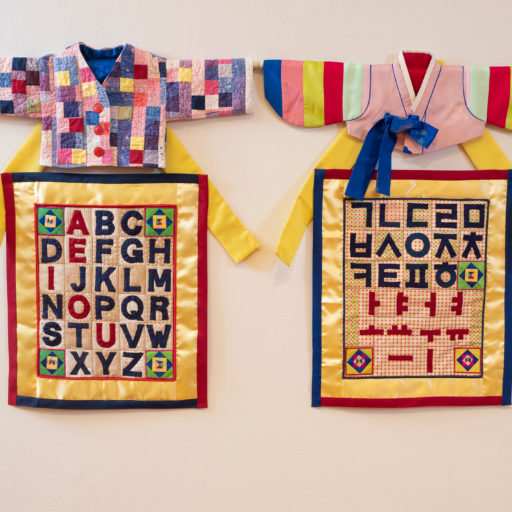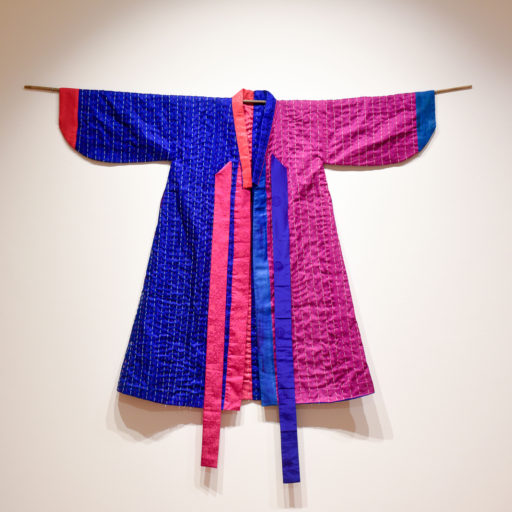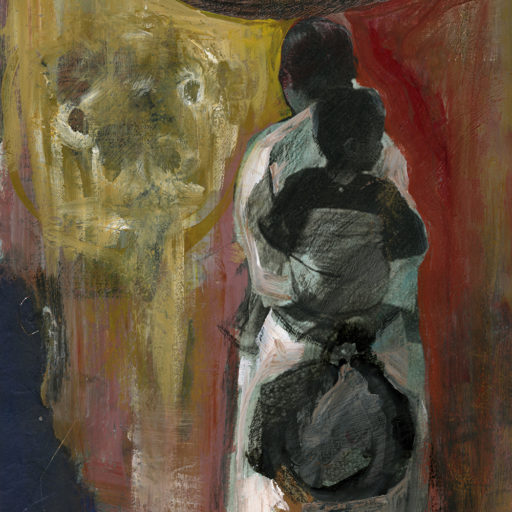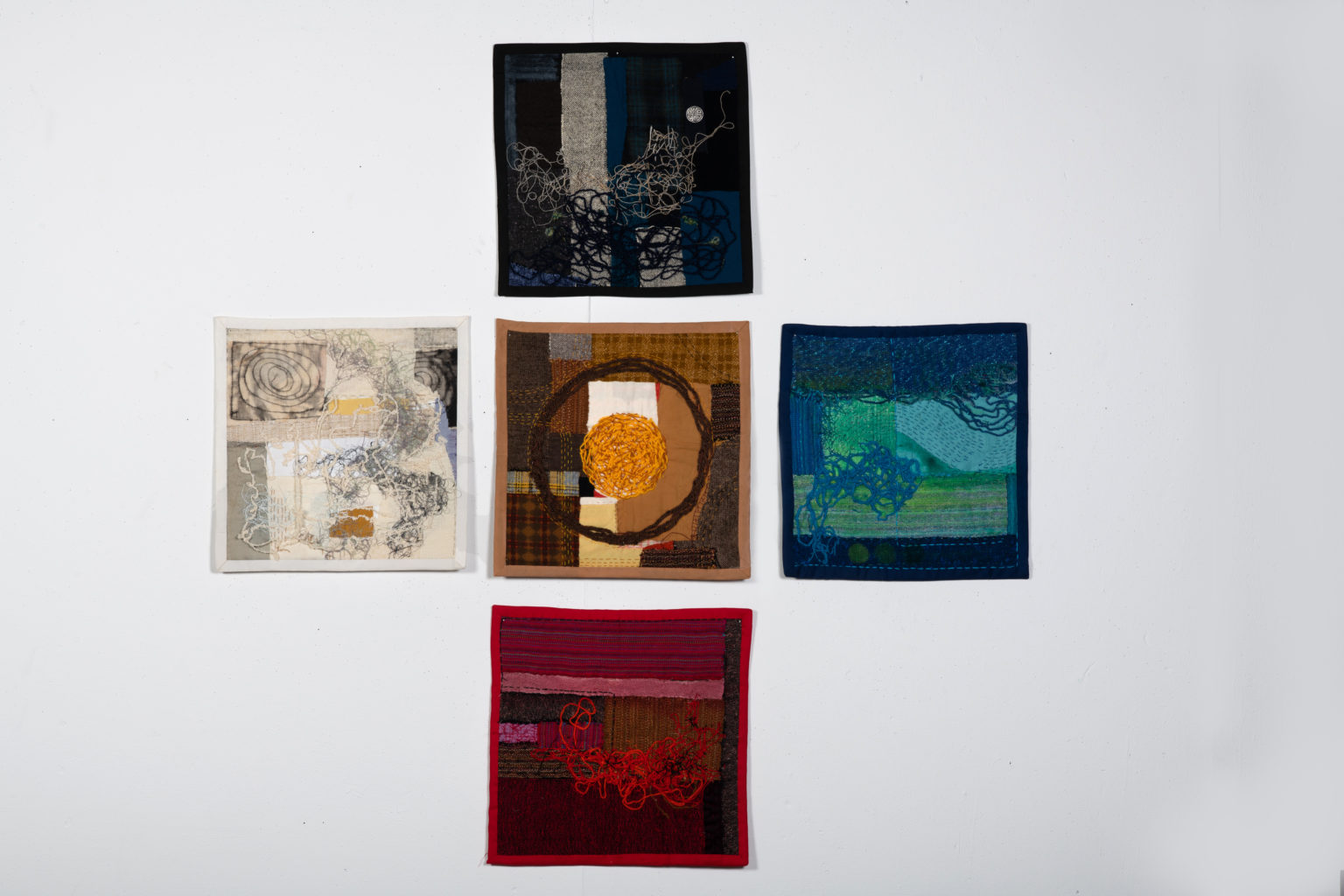
Because my worldview has been shaped by my experiences as a woman, a mother, and an immigrant, my work is an effort to draw connections between my inner life and the world beyond.
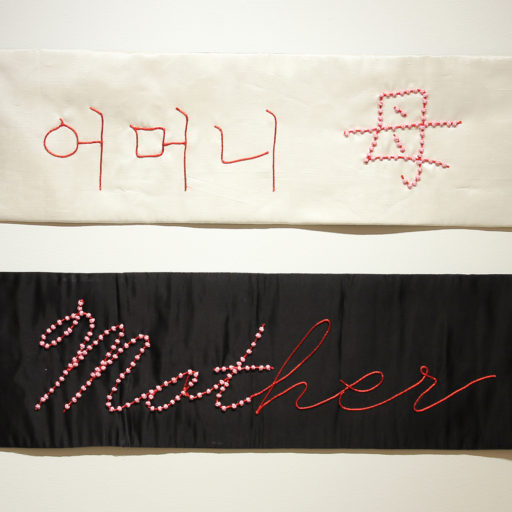
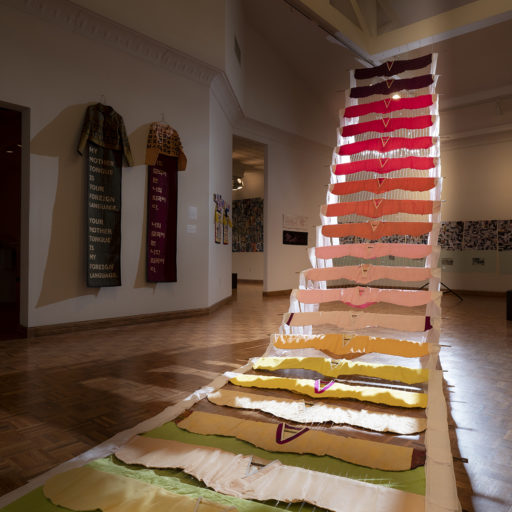
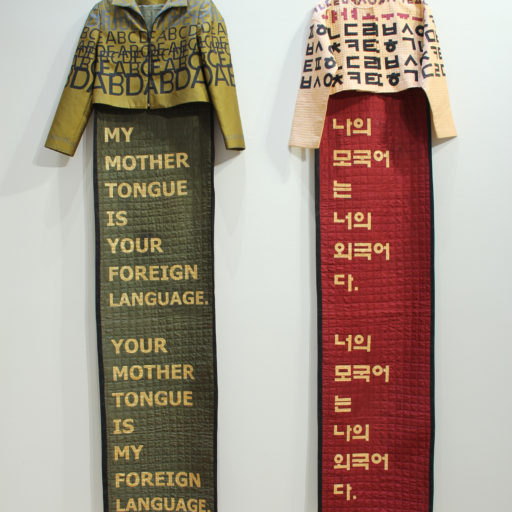
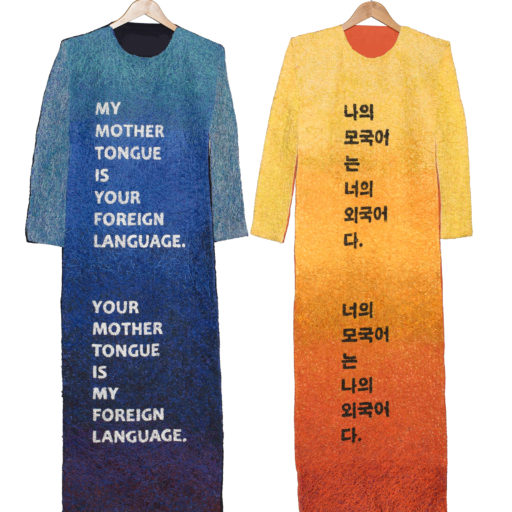
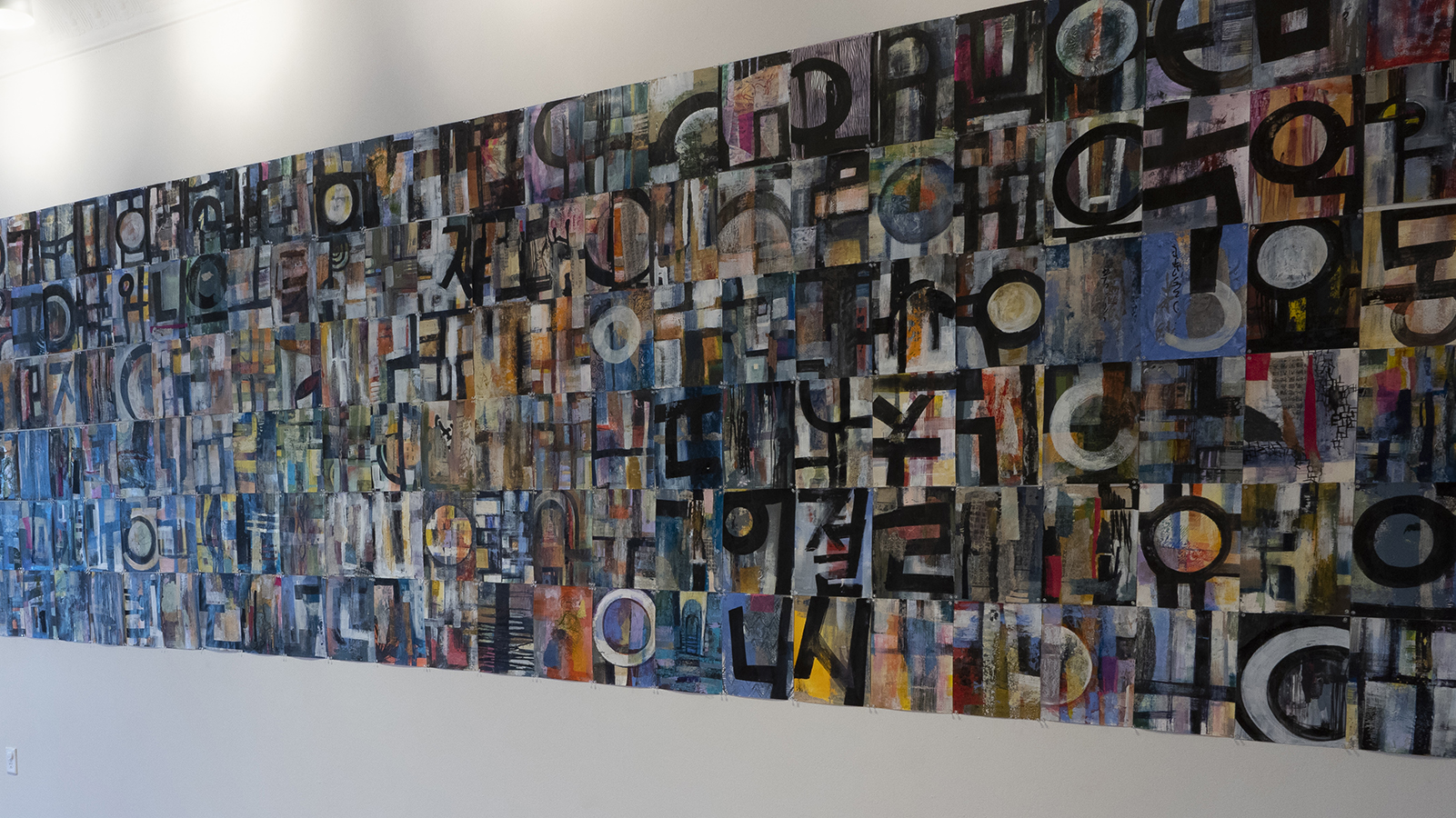
I spent the first 29 years of my life in Korea, speaking Korean and living among Korean people. When I immigrated to America, I found that in order to communicate, I had to abandon my mother tongue. It was not a simple exchange of languages, but a reorientation of identity and relationship to the world. Even now, my accent and different sense of grammar remind me that I am still an “other.” Losing my mother tongue meant losing a part of my cultural identity.
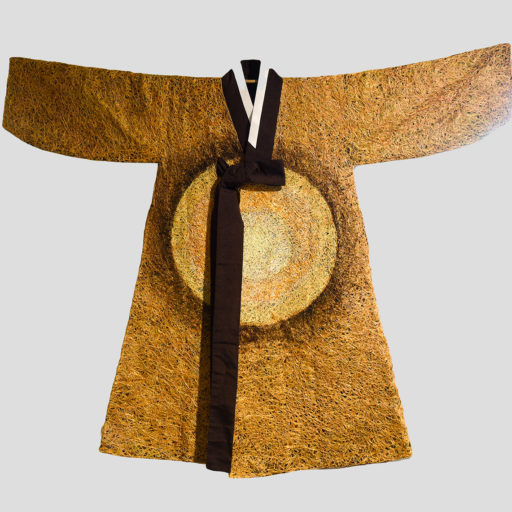
While I was becoming an American, I was also becoming a mother. These two events marked a turning point in my life — having a mother tongue in Korea and having motherhood in America. Balancing career and family has been both a struggle and a gift. Motherhood brought challenges, but also a deep joy that continues to shape who I am.
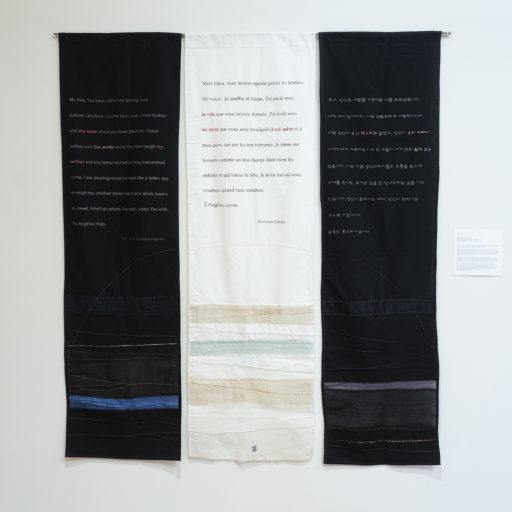
As these two experiences unfolded together, I began to see the connection between them. In birth, a person must let go of their mother’s body. In a similar way, I had to let go of my mother tongue in order to find a new voice in this place. Out of frustration came the desire to find another voice — through my artwork.
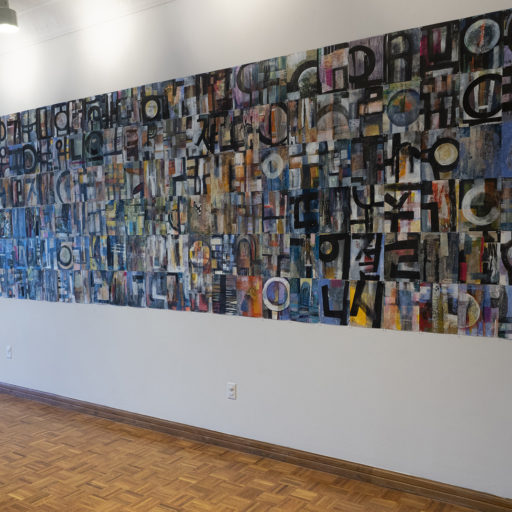
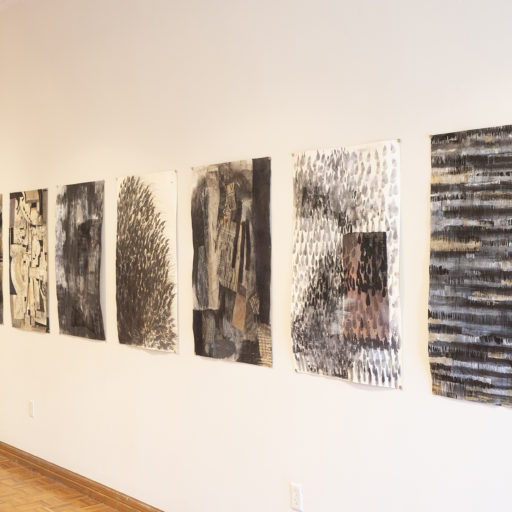
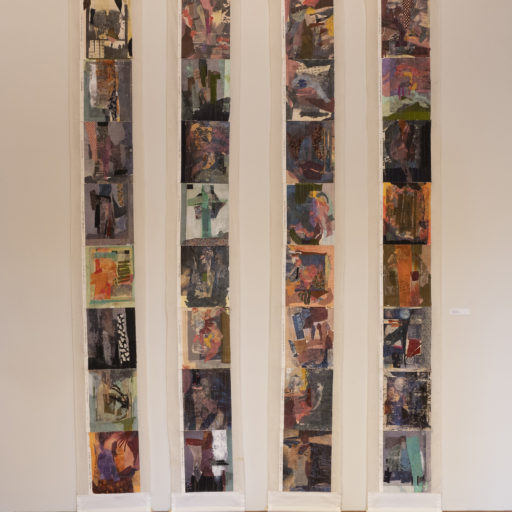
In the visual, I found more freedom and refuge from the limits of language. My work asks: Is motherhood a shackle or a wing? Is a mother tongue a yoke or an anchor? These tensions — of loss and love, letting go and becoming — continue to guide my practice.